Running an air conditioner is a major part of household energy use in Australia, especially during long, hot summers and increasingly warm shoulder seasons. Many homeowners are surprised by how much cooling and heating can add to their electricity bills if systems are not chosen or managed carefully. While energy prices, climate, and home design all play a role, understanding the real cost of running an air conditioner helps households make smarter decisions. Ongoing maintenance, including air con cleaning, is also a key factor in keeping running costs under control.
Average Electricity Costs in Australia
Electricity prices vary significantly across Australian states and territories, but most households pay between 25 and 40 cents per kilowatt-hour. The cost of running an air conditioner depends on how much power the unit draws and how long it operates each day. A small split system might use around 0.8 to 1.5 kilowatts per hour, while a large ducted system can use several kilowatts when cooling or heating an entire home.
Even modest daily use can add up over a month, particularly during heatwaves. Systems that are well maintained, supported by regular air con cleaning, generally consume less power because airflow is not restricted and components do not have to work as hard.
Type of Air Conditioner and Its Impact on Cost
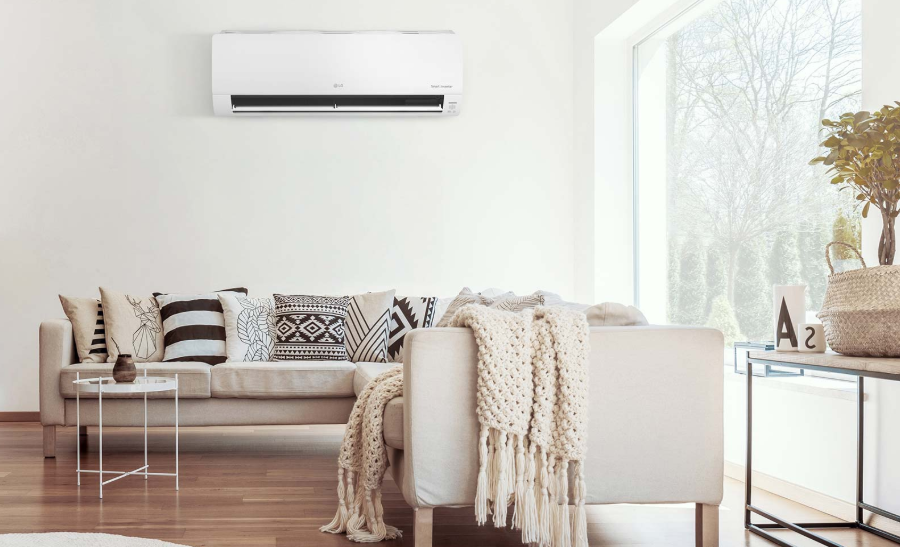
The type of air conditioner installed in a home has a major influence on running costs. Split systems are generally more affordable to operate than ducted systems because they cool or heat a single area rather than the whole house. Portable and window units often cost more to run relative to their output, as they are usually less efficient.
Reverse cycle systems are popular in Australia because they provide both heating and cooling using electricity more efficiently than many traditional heaters. Regardless of type, systems that receive regular servicing and air con cleaning tend to maintain their efficiency for longer, keeping energy consumption lower over time.
Home Size and Insulation
The size of a home and how well it is insulated play a significant role in air conditioning costs. Larger homes require more energy to cool or heat, particularly if ceilings are high or layouts are open plan. Poor insulation allows conditioned air to escape quickly, forcing the system to run longer to maintain the desired temperature.
Well-insulated homes with sealed windows and doors place less strain on air conditioners. Combined with good habits such as setting reasonable temperatures and scheduling air con cleaning, homeowners can noticeably reduce their overall energy usage.
Usage Habits and Temperature Settings
How and when an air conditioner is used often matters more than the unit itself. Setting the temperature too low in summer or too high in winter increases energy consumption dramatically. Each degree of extra cooling or heating can add a noticeable percentage to running costs.
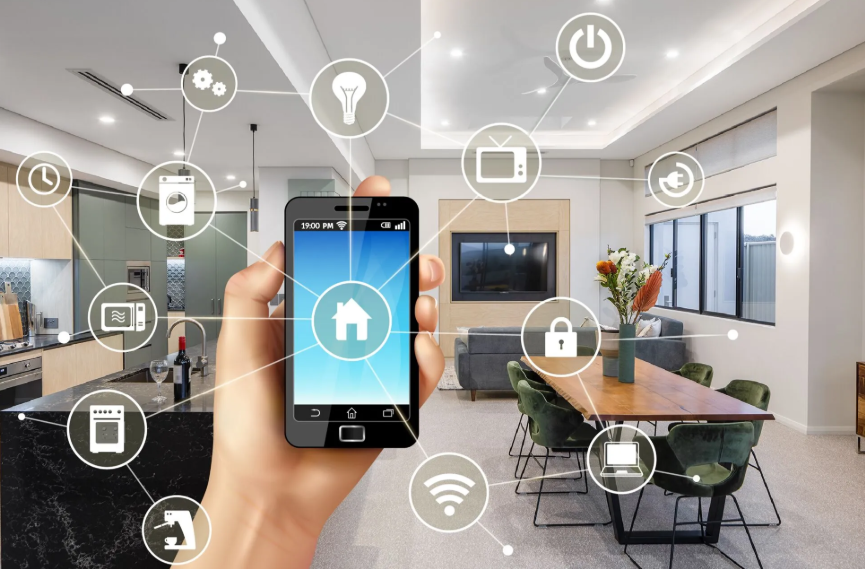
Using timers, zoning, and smart controls helps manage usage more effectively. Systems that are clean and well maintained through regular air con cleaning respond faster to temperature changes, meaning they reach set temperatures sooner and switch off more often.
Climate and Seasonal Demand
Australia’s climate varies widely, and this directly affects air conditioning costs. Homes in northern and inland regions often rely on cooling for extended periods, while southern areas may use reverse cycle systems for both heating and cooling throughout the year. High humidity also increases energy demand, as systems must work harder to remove moisture from the air.
In all climates, efficiency matters. Dust, pollen, and debris buildup can reduce system performance. Routine air con cleaning helps maintain efficiency during periods of heavy use, particularly in summer when systems may run for many hours each day.
Maintenance and Efficiency Over Time
An often overlooked factor in running costs is how maintenance affects efficiency. Filters clogged with dust restrict airflow, forcing the system to consume more electricity to achieve the same result. Over time, this can significantly increase power bills.
Professional servicing and air con cleaning help ensure components are working as designed. Clean systems cool and heat more effectively, cycle on and off properly, and are less likely to develop faults that lead to excessive energy use.
See also: What Are the Most Cost-Effective Landscaping Improvements for Your Home?
Estimating Monthly Running Costs
To estimate running costs, homeowners need to consider the unit’s power rating, daily usage hours, and local electricity rates. For example, a split system using 1.5 kilowatts running for five hours a day at 30 cents per kilowatt-hour could cost over two dollars per day. Over a month, this becomes a noticeable expense, especially during peak summer.
Reducing usage hours, improving insulation, and keeping the system efficient through air con cleaning can all contribute to meaningful savings without sacrificing comfort.
Long-Term Cost Savings Strategies
Investing in energy-efficient models with high star ratings can significantly reduce long-term running costs. While these systems may cost more upfront, they usually pay for themselves through lower electricity bills. Smart thermostats and zoning systems further improve efficiency by cooling or heating only occupied areas.
Equally important is ongoing care. Regular servicing and air con cleaning extend system lifespan and prevent efficiency losses that silently increase running costs year after year.
Conclusion
The cost of running an air conditioner in Australia depends on a combination of electricity prices, system type, home design, and user habits. While air conditioning can represent a significant portion of household energy bills, smart choices make a real difference. Selecting the right system, using it efficiently, and maintaining it properly all contribute to lower costs. By prioritising efficiency and routine air con cleaning, Australian households can stay comfortable year-round without unnecessary strain on their energy budget.