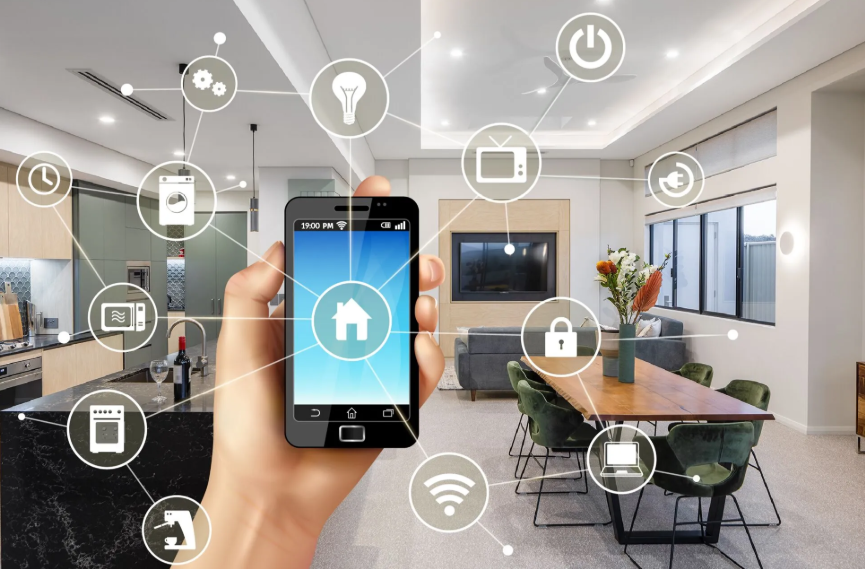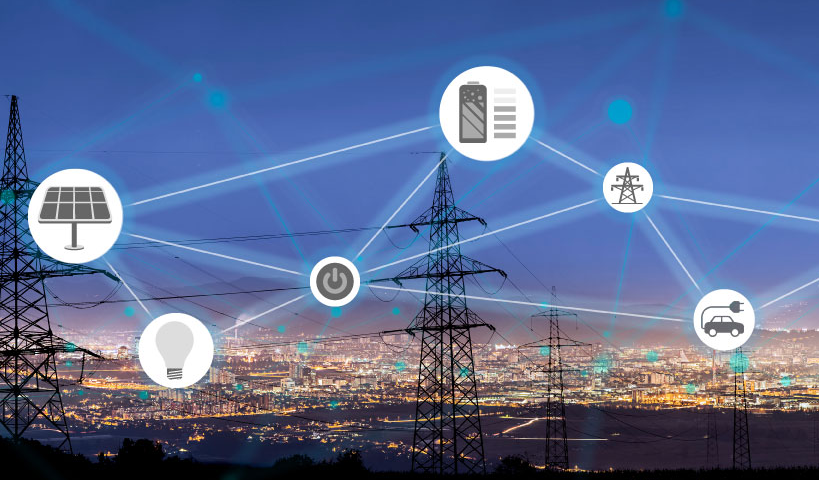
Smart grids represent a significant advancement in energy management. They utilize cutting-edge technologies to streamline operations and enhance reliability within power systems. By facilitating real-time data exchange, these grids empower consumers to monitor and manage their energy consumption effectively. The integration of renewable energy sources further supports a decentralized energy model. This raises critical questions about the broader societal implications and the transformative potential of smart grids in addressing future energy challenges.
Understanding Smart Grids: The Basics
Smart grids represent a transformative evolution in energy distribution and management, integrating advanced technologies to enhance the efficiency, reliability, and sustainability of electricity systems.
Smart grid technology facilitates real-time data exchange and automation, optimizing energy management practices. This integration empowers consumers, promotes decentralized energy solutions, and fosters a more resilient infrastructure, ultimately aligning with the growing demand for energy independence and sustainable living.
The Role of Renewable Energy in Smart Grid Technology
The integration of renewable energy sources into smart grid technology significantly enhances the overall effectiveness and sustainability of modern energy systems.
Renewable integration facilitates the seamless incorporation of solar and wind power, while advanced energy storage solutions mitigate intermittency issues.
This synergy not only empowers consumers with greater energy autonomy but also promotes a decentralized energy landscape, fostering innovation and reducing reliance on traditional fossil fuels.
See also: How Smart Homes Are Making Life Easier
Enhancing Energy Efficiency and Reliability
While traditional energy systems often struggle with inefficiencies and reliability issues, the implementation of smart grid technology offers a transformative approach to enhancing both energy efficiency and reliability.
By enabling demand response and employing advanced grid optimization techniques, smart grids can dynamically adjust energy distribution, reduce waste, and ensure stable supply.
This evolution empowers consumers, fosters sustainability, and ultimately promotes a more resilient energy landscape.
The Future of Smart Grids and Their Impact on Society
Advancements in smart grid technology are poised to reshape societal interactions with energy systems, extending beyond mere efficiency and reliability improvements.
As smart cities emerge, the integration of digital infrastructure will facilitate decentralized energy management, empowering consumers with real-time data and choices.
This transformation fosters sustainability and resilience, enabling communities to harness renewable energy sources while reducing their carbon footprints and enhancing overall quality of life.
Conclusion
In conclusion, smart grids represent not only a technological evolution but also a paradigm shift in energy management. They empower consumers with control, enhance system reliability through real-time data, and integrate renewable sources to foster sustainability. As communities embrace this transformation, they pave the way for energy autonomy, resilience, and environmental stewardship. Ultimately, the advancement of smart grids illuminates a path toward a cleaner future, demonstrating that efficiency and sustainability can coexist harmoniously in modern energy landscapes.