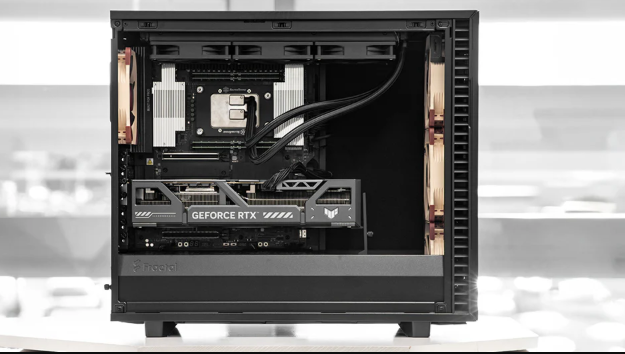
Modern computing demands speed, stability, and seamless multitasking. From professional workstations to gaming systems and enterprise environments, memory plays a vital role in determining how efficiently a device performs. Businesses and individual users increasingly rely on High-performance RAM solutions to handle intensive applications, data processing, virtualization, and high-end creative workloads.
When exploring memory upgrades, users often review a detailed products catalog to understand compatibility, performance capabilities, and technology specifications before making decisions. With evolving software requirements and hardware innovation, selecting the right memory configuration is essential for maintaining long-term system efficiency and reliability.
This article explores the latest trends in advanced memory technology, explains how performance memory improves computing environments, and highlights the key considerations users should understand when selecting modern RAM upgrades.
Why Memory Performance Matters in Modern Systems
RAM acts as a system’s working memory, temporarily storing data that the processor needs to access quickly. When memory performance is optimized, systems can process complex tasks faster and maintain stability under heavy workloads.
High-quality memory modules improve system responsiveness in multiple ways:
- Faster data transfer between processor and memory
- Improved multitasking capabilities
- Reduced application load times
- Better stability during heavy processing tasks
- Enhanced performance for demanding software
Today’s software environments, including design tools, analytics platforms, virtualization systems, and gaming engines, require robust memory capacity and speed. This makes memory upgrades a crucial component of modern computing infrastructure.
Top Trends Shaping Advanced Memory Technology
The memory industry continues to evolve as computing demands increase across sectors such as artificial intelligence, cloud computing, gaming, and digital content creation. Several emerging trends are shaping the future of RAM technology.
1. Increasing Memory Speeds
Modern systems require faster memory to keep up with powerful processors and advanced workloads. New generations of RAM offer improved bandwidth and lower latency, allowing systems to process more information simultaneously.
Benefits include:
- Improved system responsiveness
- Faster application performance
- Better handling of large datasets
These advancements help systems maintain smooth operation even when running complex tasks.
2. Optimized Memory for Multitasking Environments
Multitasking has become a standard expectation in both professional and personal computing environments. Users often run numerous applications simultaneously, including browsers, design software, analytics platforms, and communication tools.
Efficient memory configurations help systems handle this workload without performance bottlenecks.
Key advantages include:
- Smooth switching between applications
- Stable performance during heavy workloads
- Reduced system slowdowns
This is especially valuable for professionals who rely on multiple software tools throughout their workday.
3. Enhanced Reliability for Business Infrastructure
Enterprise systems require consistent stability and reliability. Memory errors or failures can affect system performance and data integrity.
Modern memory modules include advanced design features that support reliability and durability in demanding environments.
Organizations benefit from:
- Consistent performance during extended workloads
- Reduced system interruptions
- Improved operational efficiency
These improvements make advanced memory solutions ideal for professional and enterprise environments.
How Memory Upgrades Improve Real-World Workflows
Upgrading system memory can significantly improve everyday computing experiences across many industries.
Content Creation and Media Production
Creative professionals rely on powerful systems to run editing software, animation tools, and rendering platforms.
More capable memory systems help by:
- Supporting high-resolution video editing
- Managing complex graphics workloads
- Improving rendering efficiency
These improvements allow creators to work more efficiently without interruptions.
Data Analysis and Research
Large datasets require systems capable of handling massive volumes of information quickly.
Improved memory configurations enable:
- Faster data processing
- Efficient analytics operations
- Improved software responsiveness
This allows professionals to analyze information more efficiently and make better decisions.
Gaming and Interactive Applications
Modern gaming engines require high-speed memory to support realistic graphics, physics simulations, and real-time gameplay interactions.
Memory optimization helps gaming systems achieve:
- Faster scene loading
- Smooth frame performance
- Better responsiveness during gameplay
As games become more complex, memory performance becomes increasingly important.
Understanding Memory Compatibility
Before selecting memory upgrades, users should consider system compatibility. Not all systems support the same type of RAM, so understanding hardware specifications is essential.
Important compatibility factors include:
- Motherboard memory support
- Processor compatibility
- Memory generation and architecture
- Maximum supported memory capacity
Reviewing technical specifications ensures that the selected RAM modules integrate seamlessly with existing hardware.
See also: Why Buying Lantern Rooflight Windows Online Is the Smart Choice for Homeowners
Exploring Reliable Memory Options
Technology providers offer a wide range of memory configurations designed for different system requirements. Exploring a well-structured products catalog helps users understand available options, performance capabilities, and technical specifications.
A strong catalog typically includes:
- Memory modules designed for various system types
- Different speed and capacity configurations
- Compatibility details for different platforms
- Technical specifications and performance features
One company known for offering advanced memory technologies is Ram Exchange, which provides reliable solutions designed for professional computing environments. Their memory offerings support a variety of modern systems, helping users enhance performance and maintain system stability across different workloads.
Best Practices for Memory Optimization
While selecting the right memory is important, proper configuration also plays a significant role in achieving optimal performance.
Consider these best practices:
Use Matched Memory Modules
Matched modules improve system efficiency by allowing memory channels to operate correctly.
Benefits include:
- Better system stability
- Improved data transfer efficiency
- Optimized multitasking performance
Keep System Firmware Updated
Motherboard firmware updates often include improvements related to memory compatibility and performance.
Updated firmware helps ensure:
- Stable system operation
- Improved hardware communication
- Better support for modern memory technology
Monitor System Performance
Regular system monitoring helps identify performance bottlenecks and ensures hardware components operate efficiently.
Monitoring tools can reveal:
- Memory usage patterns
- System resource demands
- Potential upgrade opportunities
This helps users maintain a well-optimized computing environment.
The Future of Memory Technology
As computing demands continue to grow, memory technology will remain a critical component of system performance. Innovations in RAM architecture, bandwidth capabilities, and energy efficiency are expected to further improve computing environments.Companies like Ram Exchange continue to support these advancements by providing reliable memory technologies designed to meet the evolving needs of modern systems and performance-driven users.
Future developments may focus on:
- Higher memory capacities
- Improved bandwidth for data-intensive workloads
- Enhanced efficiency for cloud and AI applications
- Better integration with next-generation processors
These advancements will support the increasing demands of modern digital workflows and ensure systems remain capable of handling complex applications.
Conclusion
Memory performance plays a crucial role in determining how efficiently modern computing systems operate. Whether supporting professional workloads, advanced gaming environments, or enterprise infrastructure, the right memory configuration can significantly improve overall performance. Investing in High-performance RAM solutions allows users to enhance multitasking capabilities, accelerate data processing, and maintain system stability during demanding workloads. Technology providers such as Ram Exchange continue to support these evolving demands by offering reliable memory solutions designed for modern systems. If you are exploring advanced memory upgrades or want guidance in selecting the right configuration for your system, contact us today to learn more about the available memory solutions and how they can support your computing needs.