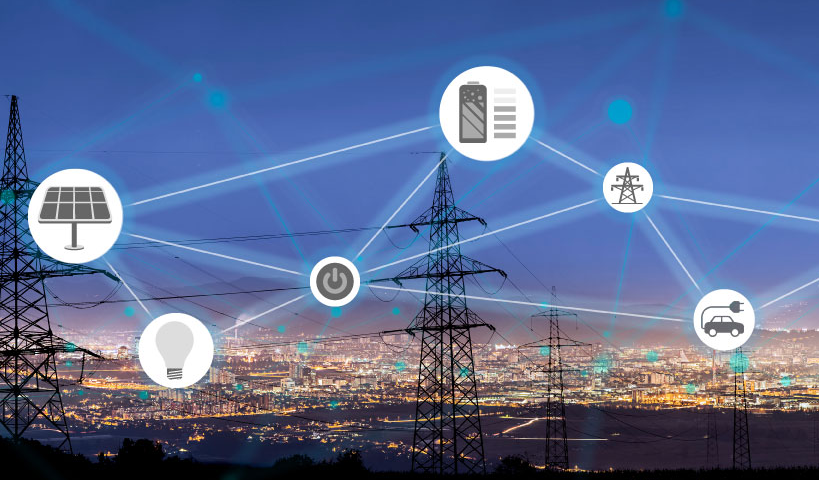
The Multi-Domain Numeric Control (MDNC) profiles for identifiers 18883725694, 621148272, 371700777, 44571911, 120984837, and 647047837 represent a significant advancement in control system integration. Each profile is designed to enhance flexibility and operational efficiency. By examining these profiles, one can uncover their impact on workflow optimization and resource management. Understanding these dynamics raises pertinent questions about the future landscape of numeric control systems.
Overview of MDNC Profiles
The Multi-Domain Numeric Control (MDNC) profile serves as a foundational framework for integrating various control systems across multiple operational domains.
It facilitates profile optimization by enabling seamless interaction among disparate numeric control systems. This integration supports enhanced operational efficiency and flexibility, allowing for adaptive responses to diverse requirements.
Ultimately, the MDNC profile empowers users to achieve greater control and autonomy in complex environments.
Detailed Analysis of Individual Profiles
Building upon the foundational concepts established in the MDNC profiles, a detailed examination of individual profiles reveals the specific functionalities and operational characteristics inherent to each variant.
This analysis emphasizes the importance of data accuracy across diverse applications, ensuring that each user interface is tailored to enhance user experience.
Each profile’s design optimizes performance, reflecting a commitment to precision in data handling and accessibility.
Impact on Operational Efficiency
Significant enhancements in operational efficiency can be attributed to the implementation of Multi-Domain Numeric Control (MDNC) profiles.
These profiles facilitate operational optimization by enabling precise control over various parameters, resulting in improved efficiency metrics.
The integration of MDNC fosters seamless workflows, minimizes downtime, and maximizes resource utilization, ultimately leading to a more agile and responsive operational framework that meets dynamic market demands.
Future Trends in Numeric Control Systems
How will emerging technologies shape the future of numeric control systems?
Automation advancements will likely redefine operational paradigms, enhancing precision and flexibility.
Integration of artificial intelligence and machine learning will facilitate real-time data analysis, optimizing processes.
Furthermore, the adoption of IoT will foster interconnected systems, promoting autonomy.
Collectively, these innovations promise to revolutionize numeric control, empowering operators with unprecedented control and efficiency.
Conclusion
In conclusion, the Multi-Domain Numeric Control profiles—much like a well-orchestrated symphony—harmonize diverse control systems to enhance operational effectiveness. Each profile serves as a distinct instrument, contributing to a collective improvement in workflow optimization and resource management. As industries increasingly embrace these innovations, the evolution of numeric control systems promises to echo the transformative impact of technological advancements, paving the way for unprecedented adaptability and efficiency in complex operational landscapes.