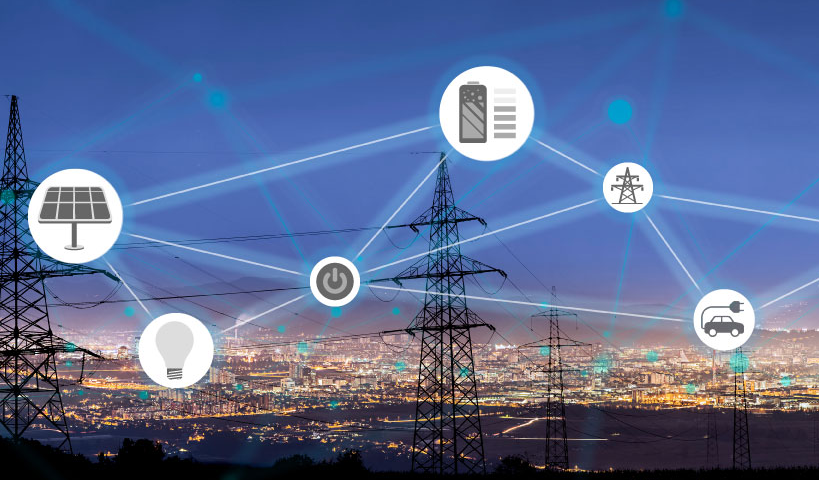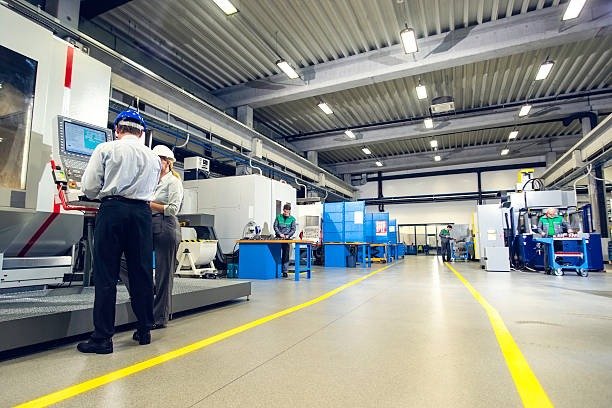
Industrial environments are under constant pressure to improve efficiency, safety, and reliability while keeping costs under control. As production demands increase and systems become more complex, traditional electrical infrastructure is no longer sufficient on its own. This is where electrical automation is playing a transformative role. By integrating intelligent controls, monitoring systems, and data-driven technologies, automation is reshaping how industrial electrical systems operate and perform.
The Evolution of Industrial Electrical Systems
Historically, industrial electrical systems relied heavily on manual operation and reactive maintenance. Equipment was monitored through physical inspections, and issues were often addressed only after failures occurred. As industries grew, this approach became inefficient and risky. Electrical automation emerged as a solution, introducing programmable logic controllers, sensors, and automated switching that reduced reliance on manual intervention.
Today’s industrial facilities demand continuous uptime and precise control. Automation has shifted electrical systems from static infrastructure to dynamic, responsive networks capable of adapting to real-time conditions.
Improving Operational Efficiency and Productivity
One of the most significant impacts of automation in industrial settings is improved operational efficiency. Automated electrical systems can manage power distribution based on actual demand, ensuring equipment receives the correct voltage and current at all times. Through electrical automation, processes such as load balancing, sequencing, and system optimization occur automatically, reducing waste and improving performance.
This efficiency directly supports productivity. Machines experience fewer interruptions, start-up processes are smoother, and overall system coordination improves. By minimizing manual adjustments, automation allows operators and engineers to focus on higher-level tasks rather than routine electrical management.
Enhancing System Reliability and Reducing Downtime
Downtime in industrial environments can result in significant financial losses. Automated electrical systems are designed to improve reliability by continuously monitoring performance and detecting anomalies early. With electrical automation, sensors and control systems identify abnormal conditions such as overheating, voltage fluctuations, or overloads before they cause equipment failure.
Predictive maintenance becomes possible when data trends reveal early signs of wear or inefficiency. Instead of reacting to breakdowns, maintenance teams can schedule interventions strategically, reducing unplanned outages and extending the lifespan of critical assets.
Strengthening Safety in Industrial Operations
Safety is a top priority in any industrial setting, particularly where high-voltage systems and heavy machinery are involved. Automation enhances safety by reducing human exposure to hazardous conditions. Automated switching, fault isolation, and emergency shutdown systems respond instantly to dangerous situations. Electrical automation ensures that protective actions occur faster and more consistently than manual responses.
Additionally, remote monitoring and control allow technicians to assess system conditions without entering high-risk areas. This not only protects personnel but also improves compliance with safety regulations and internal risk management policies.
Supporting Energy Efficiency and Cost Control
Energy consumption is a major operating cost in industrial facilities. Automated electrical systems provide detailed visibility into how and where energy is used. Through electrical automation, facilities can monitor consumption patterns, identify inefficiencies, and implement energy-saving strategies with precision.
Automation also supports demand management by adjusting power usage during peak periods and integrating alternative energy sources where available. These capabilities help industries reduce energy costs while supporting sustainability goals and regulatory requirements.
Enabling Scalability and System Integration
Industrial environments are rarely static. Facilities expand, production lines change, and new technologies are introduced. Automated electrical systems are designed with scalability in mind. With electrical automation, new equipment and processes can be integrated into existing systems with minimal disruption.
Standardized communication protocols and modular designs allow automation systems to grow alongside the facility. This flexibility protects long-term investments and ensures that electrical infrastructure can adapt to evolving operational needs.
See also: How Tech Startups Are Revolutionizing Travel
Improving Monitoring, Control, and Data Insights
Modern industrial automation relies heavily on data. Automated electrical systems provide real-time dashboards that offer complete visibility across the electrical network. With electrical automation, operators can monitor system health, performance metrics, and alarms from centralized control rooms.
Advanced analytics turn raw data into actionable insights. Trends can be analyzed to optimize performance, reduce energy use, and improve decision-making. This level of visibility was nearly impossible with traditional electrical systems and represents a major shift in how industries manage infrastructure.
Supporting Compliance and Operational Standards
Industrial facilities must meet strict regulatory and operational standards. Automated electrical systems simplify compliance by continuously recording system data and generating detailed reports. Electrical automation ensures accurate documentation of system performance, maintenance activities, and safety events.
This automated reporting reduces administrative burden and improves audit readiness. Compliance becomes an integrated part of daily operations rather than a separate, time-consuming task.
The Future of Industrial Electrical Systems
As industries move toward smarter manufacturing and digital transformation, automation will continue to play a central role. Technologies such as artificial intelligence, machine learning, and advanced sensors are further enhancing electrical automation, making systems more adaptive and predictive.
In industrial environments where efficiency, safety, and reliability are essential, automation is no longer optional. It is a strategic investment that transforms electrical systems into intelligent assets capable of supporting long-term operational success and resilience.